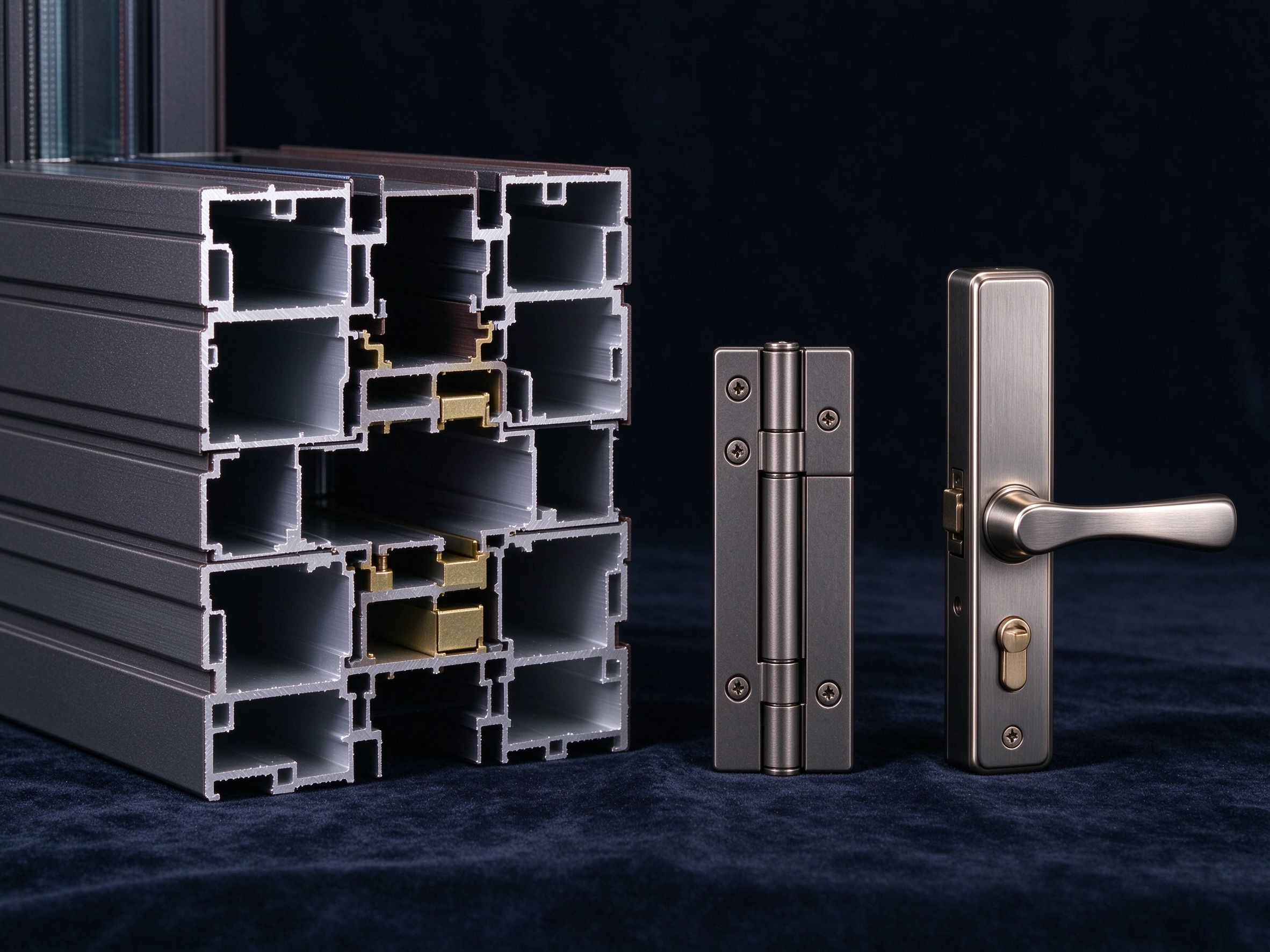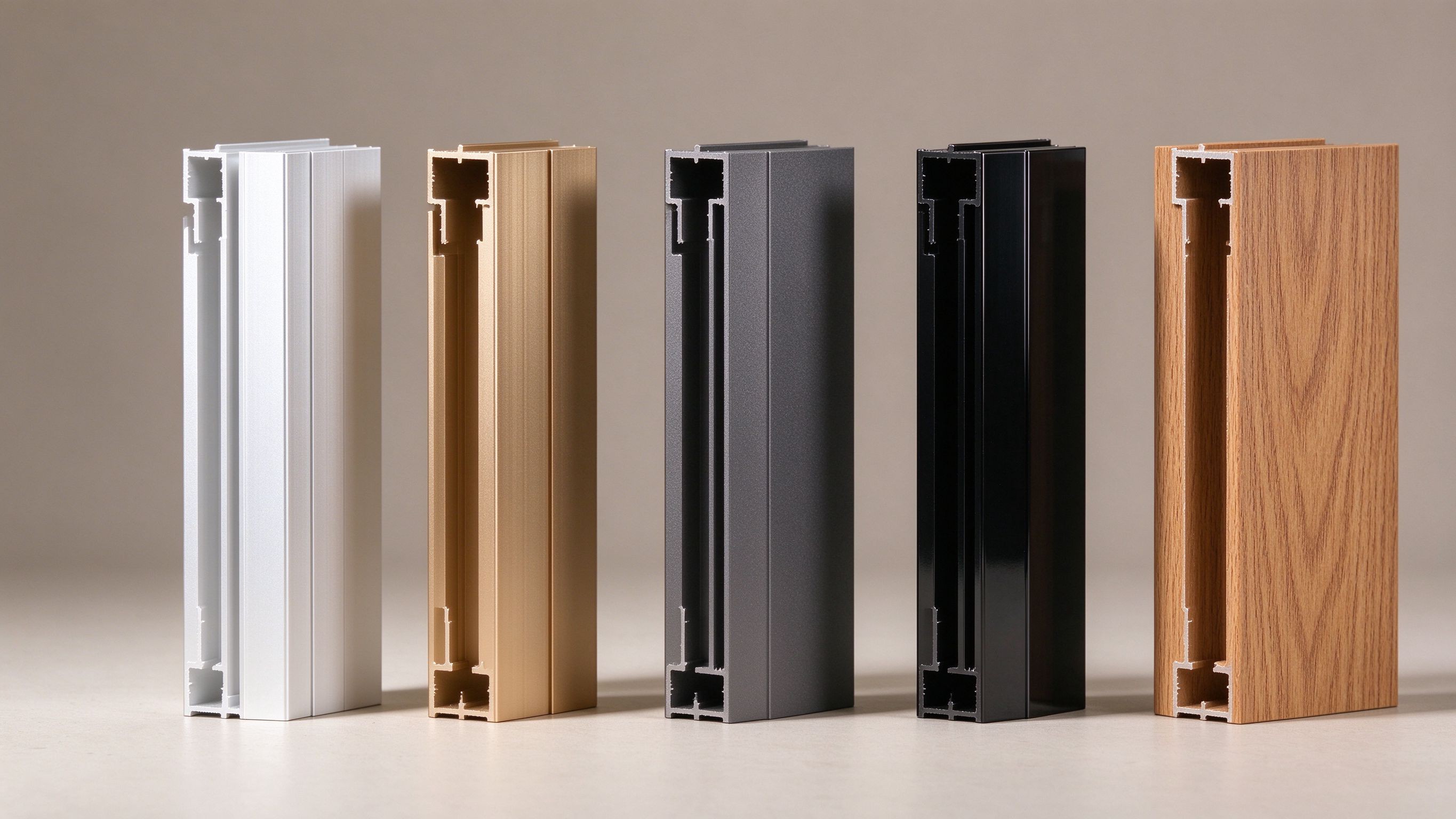
Why is one home quiet and warm, while another feels noisy and chilly—even on the same busy street? Why do windows made with the same type of thermal-brak aluminum differ so much in price and comfort?
The overlooked key often lies in the glass itself. Today, let’s move beyond complex profiles and hardware, and focus on the true heart of your daily comfort—insulated glass. Discover how it acts as the "silent hero" of modern homes, mastering both sound insulation and thermal comfort.
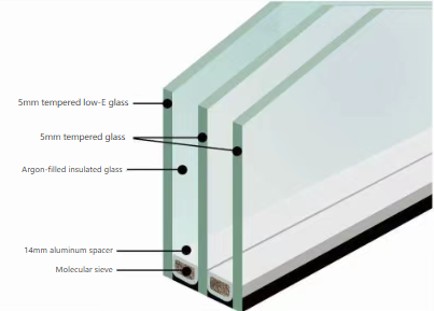
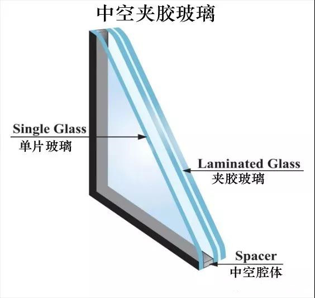
Insulating glass is a glass product composed of two or more glass panes sealed together by a high-strength, high-airtightness composite adhesive and an aluminum alloy spacer filled with desiccant, forming a dry gas (usually air or inert gas) space between the glass layers. Its main materials are glass, warm edge spacers, corner bolts, butyl rubber, polysulfide sealant, and desiccant.
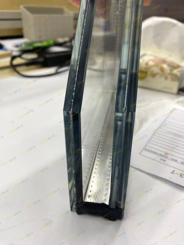
Product Features
Safety: Breaks into granular particles upon impact, minimizing the risk of serious injury.
High Strength: Offers impact and bending strength 5 times greater than that of ordinary glass
Thermal Stability: Can withstand thermal shocks with temperature differences of approximately 250°C.
Retained Base Glass Functionality: Preserves the inherent characteristics of the original glass sheet.
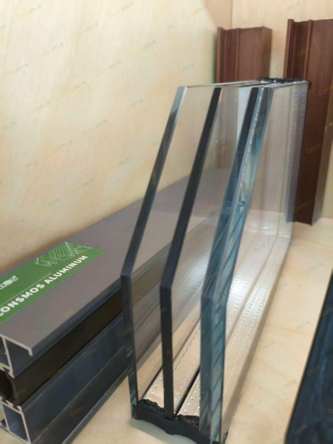
Classification by Cavity Configuration
By Filled Gas:
Air-Filled Insulated Glass (Standard / Basic Grade)
Inert Gas-Filled Insulated Glass (Filled with Argon / Krypton; offers superior thermal insulation and soundproofing)
By Cavity Thickness:
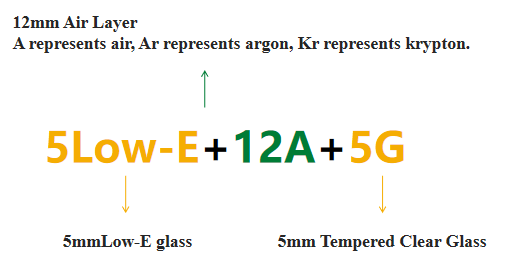
Common thicknesses: 6A, 9A, 12A, 16A, 20A (12A and 16A are the most widely used)
By Number of Glass Panes:
Double-Pane Insulated Glass (2 panes of glass; the mainstream and most common type)
Triple-Pane Insulated Glass (3 panes of glass + 2 cavities)
Specification Meaning
Classification by Glass Pane Type
Standard Clear Insulated Glass:
Uses ordinary float glass as the base material. It has no special functional properties and is low-cost, making it suitable for applications with basic requirements.
Low-E Insulated Glass:
The base glass is coated with a single-silver, double-silver, or triple-silver Low-E (low-emissivity) layer. Its primary focus is on energy efficiency.
Safety Insulated Glass:
Uses tempered glass or laminated glass as the base material. It offers impact resistance and fall prevention, making it suitable for high-rise windows/doors and floor-to-ceiling windows.
Functional Insulated Glass:
The base glass is frosted, coated, or ceramic fritted. It emphasizes privacy, sun shading, or decoration, and is suitable for bathrooms, windows/doors, and curtain walls.
A window separates the clamor and the cold, guarding the tranquility and comfort within. Insulated glass, this seemingly simple "sandwich" technology, is in fact the indispensable **"core of silence and insulation"** in modern home living.
It may not always be in the spotlight, yet it works tirelessly in the background, transforming energy waste and noise into tranquility. Choosing it is not merely about selecting a window—it is about choosing a quieter, more energy-efficient, and more comfortable quality of life. So next time you select windows for your home, remember: to pay attention to the "heart" of the glass is to care for the living experience of every day to come.